

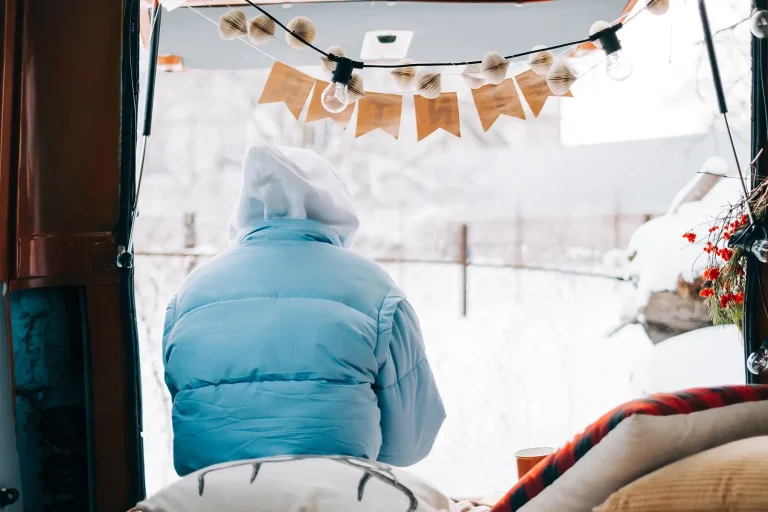
Cold-weather RV living does not have to feel like a compromise, especially when you are planning an extended stay rather than a quick overnight stop. With the right setup, colder months can actually be one of the most comfortable and stable times to stay parked. For RVers spending several weeks or longer near St. Louis, proper preparation makes all the difference between constantly reacting to the weather and settling into a calm, predictable routine.
At St. Louis Mulberry RV Gardens, extended-stay guests often find that cold-weather camping becomes far easier once their RV is set up correctly from day one. Taking the time to prepare your site, protect key systems, and manage comfort inside your RV creates a smoother experience throughout the season.
Why Cold-Weather Setup Matters More for Extended Stays
Short winter stays often involve tolerating minor inconveniences for a night or two. Extended stays are different. Small issues such as drafts, moisture buildup, or unstable hookups can become ongoing frustrations if not addressed early.
Cold-weather setup is about consistency. When temperatures fluctuate over days or weeks, your RV systems need to handle those changes without constant intervention. A solid setup reduces stress, protects equipment, and helps you enjoy daily life instead of troubleshooting problems.
Extended stays also increase wear on systems like plumbing, electrical connections, and heating. Preparing for colder conditions from the beginning helps prevent disruptions later.
Choosing the Right Site Position and Orientation
Site selection plays a larger role in cold-weather comfort than many RVers realize. If possible, positioning your RV to reduce exposure to prevailing winds can noticeably improve interior warmth. Even a slight windbreak from trees, buildings, or terrain helps limit heat loss.
Sun exposure matters as well. Parking where your RV receives sunlight during the day can naturally warm the interior, especially during late winter when daylight hours slowly increase. This reduces reliance on heating systems and improves overall comfort.
Leveling your RV properly is also critical for extended stays. A stable setup ensures appliances operate correctly and prevents shifting that could stress seals or connections over time.
Protecting Your RV Plumbing in Cold Weather
Plumbing protection is one of the most important aspects of cold-weather RV setup. Extended exposure to freezing temperatures can damage hoses, fittings, and internal pipes if not properly managed.
Heated water hoses are one of the most effective tools for long stays. They help maintain consistent water flow during cold nights and reduce the risk of freezing. Insulating exposed connections adds another layer of protection.
Inside the RV, keeping cabinets slightly open allows warm air to circulate around plumbing lines. This simple habit can prevent cold spots that lead to frozen pipes.
For extended stays, regularly checking connections becomes part of routine maintenance. Early detection of minor issues prevents larger problems later in the season.
Skirting Your RV for Better Temperature Control
RV skirting is one of the most impactful upgrades for cold-weather extended stays. Skirting blocks cold air from circulating beneath your RV, helping retain heat and stabilize interior temperatures.
For long-term stays, skirting also protects tanks and plumbing from wind exposure. Even temporary skirting solutions can significantly improve comfort and reduce heating costs.
Skirting does not need to be complex to be effective. The key is minimizing airflow under the RV and securing materials properly so they hold up throughout changing weather conditions.
Managing Interior Heat Efficiently
Heating an RV for an extended stay requires balance. Relying on a single heat source can strain systems or increase costs, while combining methods provides more control.
Electric heaters are commonly used during cold-weather stays when reliable hookups are available. They provide steady heat and reduce propane usage. Propane systems remain useful for colder nights or when temperatures drop unexpectedly.
Maintaining even heat distribution is important. Cold spots lead to condensation and discomfort. Using fans or adjusting vents helps circulate warm air throughout the RV.
Monitoring temperature overnight ensures systems perform as expected and prevents surprises during colder stretches.
Controlling Moisture and Condensation
Condensation is a common challenge during cold-weather RV stays, especially for extended periods. Warm interior air meeting cold surfaces creates moisture that can lead to dampness and discomfort if not addressed.
Ventilation is key, even when it feels counterintuitive during winter. Briefly opening vents or windows allows moisture to escape and improves air quality. Many RVers use vent covers to allow airflow without letting in cold air or precipitation.
Using dehumidifiers or moisture absorbers helps regulate humidity levels inside the RV. Over time, this prevents mold, odors, and damage to interior surfaces.
Consistent moisture management is easier when incorporated into daily routines rather than treated as an occasional fix.
Electrical Setup and Power Management
Extended cold-weather stays place greater demand on electrical systems. Heaters, lighting, and appliances run longer, making reliable power connections essential.
Before settling in, checking pedestal connections and ensuring cords are rated for cold-weather use helps prevent interruptions. Protecting cords from moisture and ice buildup also extends their lifespan.
Power management becomes especially important during colder months. Being mindful of usage prevents overloads and ensures consistent comfort throughout your stay.
Having a clear understanding of your RV’s electrical capacity allows you to run systems efficiently without unnecessary strain.
Insulating Doors, Windows, and Slide-Outs
Heat loss often occurs through doors, windows, and slide-outs. Addressing these areas significantly improves comfort during extended cold-weather stays.
Thermal window coverings or reflective insulation reduce heat loss and help maintain stable interior temperatures. Door seals should be checked for gaps that allow drafts.
Slide-outs benefit from added insulation, especially underneath. Ensuring seals are intact prevents cold air infiltration and moisture buildup.
These small improvements add up over time, making your RV feel warmer and more energy-efficient.
Establishing a Cold-Weather Daily Routine
Extended cold-weather RV stays are smoother when routines are established. Simple daily checks, such as monitoring temperatures and inspecting connections, prevent small issues from escalating.
Adjusting heating schedules, managing ventilation, and keeping an eye on weather forecasts become part of daily life. These habits reduce surprises and help maintain consistent comfort.
Routine maintenance also provides peace of mind. Knowing your setup is stable allows you to focus on enjoying your stay rather than reacting to problems.
Why Cold-Weather Extended Stays Can Be Comfortable
With the right setup, cold-weather RV living becomes predictable and comfortable. Extended stays allow you to fine-tune your environment, making each day easier than the last.
Instead of viewing winter as a limitation, many RVers find that colder months offer a quieter, more settled experience. Fewer crowds, calmer surroundings, and stable routines create an ideal environment for longer stays.
When your RV is properly prepared, cold weather fades into the background, allowing you to focus on living well wherever you are parked.
Making the Most of Your Cold-Weather RV Stay Near St. Louis
Cold-weather RV setup is not about extreme measures. It is about thoughtful preparation, consistency, and understanding how your RV responds to changing conditions.
For extended stays near St. Louis, a solid setup ensures comfort, reliability, and peace of mind. With systems protected and routines in place, cold-weather camping becomes less about endurance and more about enjoying a steady, relaxed way of life on the road.