

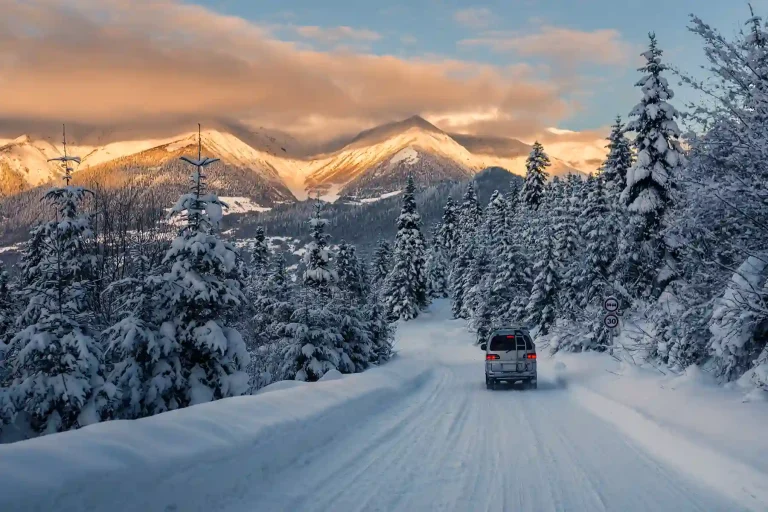
Winter RV travel requires a different mindset than peak-season trips. Weather conditions can shift quickly, travel plans may change, and flexibility becomes one of the most valuable tools an RVer can have. Rather than fighting uncertainty, experienced travelers plan their winter stays in ways that allow for adjustment without stress.
Guests staying at St. Louis Mulberry RV Gardens often find that flexibility transforms winter travel into a calm and manageable experience. With thoughtful planning and realistic expectations, unpredictable weather becomes part of the journey rather than a disruption.
Why Winter Weather Requires a Flexible Approach
Winter weather is rarely consistent. Cold snaps, rain, and occasional snow can arrive with little notice, affecting travel conditions and daily routines. RVers who rely on rigid schedules often feel pressured to move even when conditions are less than ideal.
A flexible approach allows you to respond rather than react. Instead of pushing forward through uncomfortable or unsafe conditions, you can pause, adjust, and continue when it makes sense.
Flexibility also reduces anxiety. Knowing you have options removes the urgency that often turns minor weather changes into major stressors.
Building Flexibility Into Your Travel Schedule
One of the most effective ways to plan a flexible winter RV stay is to build buffer days into your schedule. These extra days give you room to adjust arrival and departure times without sacrificing the overall trip.
Rather than booking consecutive one-night stops, consider fewer locations with longer stays. This reduces the need to travel frequently during uncertain conditions.
For extended stays, flexibility may involve open-ended departure plans. This allows you to extend your stay if weather delays arise or move on sooner if conditions improve.
Choosing RV Parks That Support Flexible Stays
Not all RV parks are equally suited to winter flexibility. Parks that offer nightly, weekly, and longer-term options make it easier to adapt plans as conditions change.
A supportive environment allows travelers to adjust stays without constant concern about availability or rigid policies. This sense of stability is especially important during winter when conditions can shift unexpectedly.
Flexible-friendly parks help winter RV travel feel manageable rather than restrictive.
Monitoring Weather Without Obsessing Over It
Staying informed about weather conditions is important, but constant monitoring can create unnecessary stress. Successful winter RVers develop a balanced approach to forecasting.
Checking reliable forecasts once or twice a day is usually sufficient. Paying attention to trends rather than single-day predictions helps avoid overreacting to minor fluctuations.
Understanding local weather patterns also improves decision-making. Knowing how quickly conditions change in a region allows you to plan realistically without overthinking every update.
Adjusting Daily Plans to Match Conditions
Flexibility extends beyond travel days. Winter RV stays often benefit from adaptable daily routines that respond to weather conditions.
Milder days may invite short outings, scenic drives, or errands, while colder or rainy days are better suited for indoor activities or rest. This approach allows you to make the most of each day without forcing plans that do not fit the conditions.
Adapting daily expectations reduces frustration and improves overall enjoyment.
Preparing Your RV for Sudden Weather Changes
Flexible winter RV stays are easier when your setup can handle sudden temperature shifts. Protecting plumbing, maintaining stable heat, and managing power usage all contribute to readiness.
When systems are prepared, minor weather changes become manageable rather than disruptive. You can focus on comfort instead of emergency adjustments.
This level of preparation supports confidence, allowing you to remain flexible without feeling vulnerable to changing conditions.
Managing Arrivals and Departures During Winter
Arriving and departing during winter requires additional consideration. Flexible planning allows you to avoid travel during unsafe conditions.
Arriving earlier in the day provides more daylight and better visibility. Departing after conditions improve reduces risk and stress.
Flexibility also allows you to adjust check-in and check-out timing when needed. Rather than rushing to meet rigid deadlines, you can prioritize safety and comfort.
Keeping Communication Open While Traveling
Winter RV travel often involves staying connected with family, work, or travel companions. Flexible planning benefits from clear communication.
Letting others know that plans may change sets realistic expectations. This reduces pressure to stick to timelines that may not be practical during winter.
Clear communication supports smoother adjustments and prevents misunderstandings.
Embracing the Slower Pace of Winter RV Travel
Flexibility naturally encourages a slower pace. Winter travel rewards patience and adaptability rather than speed and efficiency.
Many RVers find that slowing down enhances the experience. Quiet mornings, relaxed afternoons, and peaceful evenings create a sense of balance that is often missing during busier seasons.
Embracing this slower rhythm transforms winter travel into a restorative experience rather than a logistical challenge.
Handling Unexpected Delays Without Stress
Delays are an inevitable part of winter RV travel. Flexible planning turns delays into opportunities rather than setbacks.
An extra day at a comfortable park can become a chance to rest, explore locally, or simply enjoy downtime. Viewing delays through this lens reduces frustration and maintains a positive mindset.
When flexibility is built into your plans, delays lose their power to disrupt the trip.
Creating a Flexible Budget for Winter Stays
Financial flexibility supports overall adaptability. Winter travel may involve unexpected extensions or adjustments, so planning a buffer in your budget helps accommodate changes.
Having room to extend a stay or adjust plans reduces stress and allows decisions to be based on comfort rather than cost alone.
A flexible budget aligns with a flexible schedule, reinforcing peace of mind.
Learning From Each Winter RV Experience
Each winter RV stay provides insight into what works best for you. Flexible planning allows you to learn and refine your approach over time.
Noting how your RV responds to cold, how you prefer to schedule travel, and what conditions feel comfortable helps improve future trips.
Winter travel becomes easier with experience, especially when flexibility remains a priority.
Why Flexible Planning Makes Winter RV Travel Enjoyable
Winter RV travel does not have to feel unpredictable or stressful. With flexible planning, it becomes manageable, comfortable, and even enjoyable.
By allowing room for adjustment, you reduce pressure and increase control. Weather becomes a factor to work with rather than against.
For RVers willing to embrace adaptability, winter offers a uniquely calm and rewarding way to travel.
Making Flexibility Your Winter Travel Advantage
Flexibility is one of the most valuable tools an RVer can have during winter. It supports safer travel, greater comfort, and a more enjoyable overall experience.
When plans can adapt to conditions, winter RV stays feel stable rather than uncertain. Instead of reacting to changes, you move with them.
With thoughtful preparation and a flexible mindset, winter RV travel near St. Louis becomes less about weather challenges and more about enjoying the journey on your own terms