

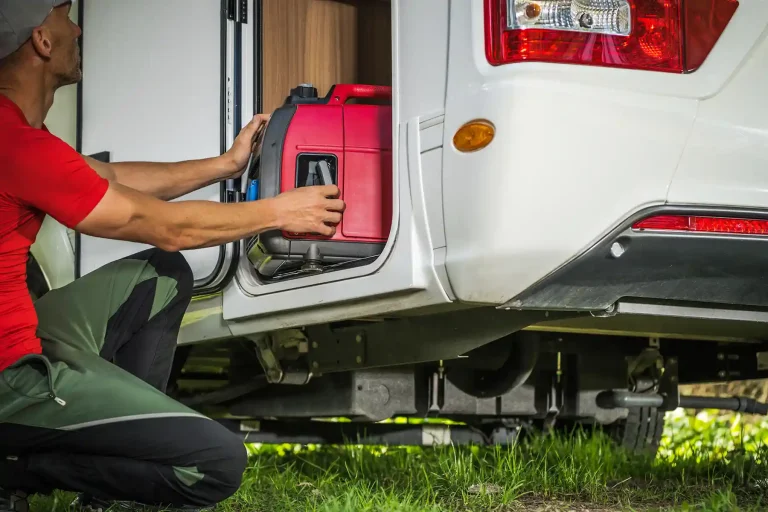
RV generators are incredibly useful when you need power away from hookups. Whether you’re stopping for a night during a long road trip or camping in a location without full utilities, proper RV generator maintenance ensures your RV systems keep running smoothly.
Even if you usually stay at RV parks near St. Louis, having a dependable generator gives you flexibility during travel days, rest stops, and unexpected situations.
Like any mechanical equipment, RV generators require routine care to perform reliably. With consistent RV generator maintenance, a generator can run efficiently for thousands of hours. This guide explains the essential maintenance steps every RV owner should know.
Why RV Generator Maintenance Matters
Your RV generator powers important systems when shore power isn’t available. This can include:
- Air conditioning
- Battery charging
- Kitchen appliances
- Lighting and outlets
- Water pumps
If a generator fails during a trip, it can quickly disrupt your travel plans.
Routine maintenance helps prevent:
- Hard starting issues
- Reduced fuel efficiency
- Engine wear and overheating
- Unexpected breakdowns
Keeping your generator in good condition ensures reliable power wherever you travel.
Understanding Your RV Generator
Most RV generators are small gasoline, propane, or diesel-powered engines that produce electricity through an alternator.
Common generator brands used in RVs include systems designed for quiet operation and compact installation.
Generators are typically mounted:
- In the front compartment of motorhomes
- In side storage compartments
- As portable units stored in RV compartments
Regardless of type, the core maintenance requirements remain similar.
Run Your Generator Regularly
One of the most important generator maintenance tips is surprisingly simple: run it regularly.
Why Regular Use Is Important
Generators that sit unused for long periods may develop problems such as:
- Fuel system buildup
- Carburetor clogs
- Moisture accumulation in electrical components
Running your generator helps circulate fuel and keeps internal parts lubricated.
Recommended Exercise Schedule
Most manufacturers recommend running the generator:
- At least once a month
- For 30 minutes to one hour
- Under moderate electrical load
Running appliances like the air conditioner during this exercise period helps keep the system functioning properly.
Check and Change the Oil
Like any engine, RV generators rely on clean oil for lubrication.
Oil Change Frequency
Oil change intervals depend on the generator model, but common recommendations include:
- First oil change after 20–50 hours of operation
- Every 100–150 hours after that
Check your generator manual for exact intervals.
How to Check Oil Levels
Before each trip:
- Turn off the generator and allow it to cool.
- Locate the dipstick.
- Check oil level and color.
If the oil appears dark or dirty, it may be time for a change.
Inspect the Air Filter
Air filters prevent dirt and debris from entering the engine.
Why Clean Air Matters
A clogged air filter restricts airflow, which can lead to:
- Reduced power output
- Poor fuel efficiency
- Increased engine wear
Air Filter Maintenance
Inspect the air filter regularly and replace it if it appears dirty or damaged.
Cleaning or replacing filters improves generator performance and engine life.
Maintain the Fuel System
Fuel-related issues are one of the most common causes of generator problems.
Prevent Fuel Degradation
If your RV will sit unused for extended periods, consider using fuel stabilizer.
Fuel stabilizer helps prevent:
- Gum and varnish buildup
- Carburetor clogging
- Starting problems after storage
Keep Fuel Fresh
Running the generator periodically also helps cycle fresh fuel through the system.
This simple habit prevents many fuel-related issues.
Inspect Spark Plugs
Spark plugs are responsible for igniting fuel inside the engine.
Over time, they can wear out or accumulate carbon deposits.
Signs of Worn Spark Plugs
You may notice:
- Difficulty starting the generator
- Rough running or misfires
- Reduced power output
Replacing spark plugs according to the manufacturer’s recommended schedule helps maintain smooth engine operation.
Check the Cooling System
Generators produce heat while operating, so proper cooling is essential.
Inspect Airflow Vents
Ensure that cooling vents are not blocked by debris, dust, or stored items.
Restricted airflow can cause overheating.
Clean Cooling Fins
Occasionally inspect cooling fins and remove dirt or debris that may prevent heat from dissipating properly.
This is especially important during hot summers near St. Louis when generators may work harder.
Keep the Generator Compartment Clean
Dust, leaves, and debris can collect in generator compartments over time.
Cleaning the compartment helps prevent:
- Overheating
- Pest infestations
- Airflow restrictions
A simple visual inspection before each trip can identify potential problems early.
Listen for Unusual Sounds
Your generator should produce a steady and consistent sound when operating.
Unusual noises such as knocking, sputtering, or excessive vibration may indicate mechanical issues.
If you notice unusual sounds, it’s best to investigate or consult a qualified technician.
Follow Manufacturer Service Schedules
Every generator model includes a maintenance schedule outlined in its owner’s manual.
This schedule may include:
- Oil change intervals
- Filter replacements
- Valve adjustments
- Fuel system maintenance
Following these guidelines ensures long-term reliability.
Generator Maintenance for Long-Term RV Living
If you spend extended time traveling or staying near St. Louis, regular generator use becomes even more important.
Full-time RV travelers often rely on generators for:
- Overnight stops without hookups
- Power during travel days
- Backup power during outages
Routine maintenance helps ensure your generator is ready whenever you need it.
Shore Power vs Generator Power
While generators are useful, many RV travelers prefer campground hookups when available.
Shore power provides:
- Stable electricity
- Quiet operation
- No fuel consumption
- Less maintenance
When you stay at an RV park with full hookups, you can enjoy reliable power without running a generator for extended periods.
Enjoy Reliable Power at St. Louis Mulberry RV Gardens
While generators are valuable during travel, having dependable hookups makes RV camping even more comfortable.
At St. Louis Mulberry RV Gardens, spacious RV sites include reliable 30 and 50 amp full hookups so you can power your air conditioning, appliances, and electronics without relying on a generator. After a long day exploring attractions around St. Louis, you can return to a quiet, comfortable campsite and plug in with confidence.
Whether you’re staying for a weekend getaway or a longer visit, St. Louis Mulberry RV Gardens offers the convenience and reliability RV travelers appreciate.
Reserve your site today and enjoy a peaceful stay with dependable power just minutes from St. Louis.