

Long-term RV living is less about constant travel and more about creating a comfortable, functional home on wheels. Whether you’re staying for a month, a season, or longer, how you store your belongings, set up your RV, and eventually break down your site has a huge impact on daily comfort and long-term maintenance.
Many RVers learn these lessons the hard way—through cluttered interiors, rushed departures, or preventable wear and tear. With the right approach, however, long-term RV living can feel organized, calm, and surprisingly efficient.
This guide walks through practical RV storage, setup, and breakdown tips designed specifically for long-term campers, helping you protect your rig, stay organized, and enjoy a smoother extended stay.
Why Long-Term RV Setup Is Different From Short Stays
Weekend camping allows for shortcuts. Long-term stays do not.
When you’re parked for weeks or months, small inefficiencies become daily annoyances. Poor cable management, awkward storage solutions, or rushed hookups can lead to discomfort, safety issues, and unnecessary stress.
Long-term setup is about creating stability. The goal is to make your RV function like a small, well-organized home rather than a temporary campsite.
Smart RV Setup for Extended Stays
The foundation of a good long-term stay starts with a thoughtful setup.
Positioning your RV correctly makes a big difference over time. Leveling your rig carefully protects appliances, improves comfort, and prevents long-term structural stress. Once level, stabilizers should be used properly—not to lift the RV, but to reduce movement.
Hookups deserve extra attention during long stays. Secure water connections with pressure regulators, ensure sewer hoses are properly supported, and double-check electrical connections for safety. A clean, secure setup reduces the chance of leaks, backups, or power issues down the line.
Slides should be extended fully and checked for seals and clearance. If you’ll be staying through changing weather, inspecting slide seals early can prevent water intrusion later.
Creating an Efficient Storage System Inside Your RV
Interior storage becomes one of the biggest challenges for long-term RVers. Without a system, clutter builds quickly.
The key is assigning every item a purpose and place. Items you use daily should be easily accessible, while seasonal or rarely used gear can be stored deeper or higher.
Soft storage solutions—such as fabric bins and collapsible organizers—work especially well in RVs because they adapt to tight spaces and reduce rattling during movement. Vertical storage, including door-mounted organizers and stackable bins, helps maximize limited square footage.
Just as important is knowing what not to keep. Long-term RV living often requires downsizing. If something hasn’t been used in weeks, it’s worth reconsidering whether it belongs in your space.
Exterior Storage: Staying Organized Without the Clutter
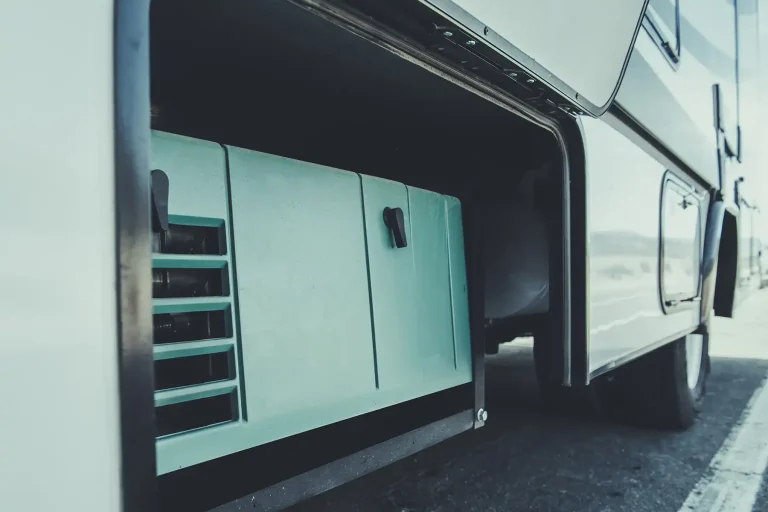
Exterior compartments are valuable but easy to overload.
For long-term stays, grouping items by function helps maintain order. Tools, maintenance supplies, outdoor gear, and seasonal items should each have their own zone. Clearly separating clean and dirty gear also prevents odors and mess.
Weight distribution matters more than many RVers realize. Storing heavy items evenly helps protect suspension and improves stability. Regularly checking compartment contents ensures nothing shifts or becomes a hazard.
Keeping exterior storage organized also speeds up breakdown when it’s time to leave.
Managing Utilities During a Long-Term Stay
Utilities work harder during extended stays, so proactive management is essential.
Water hoses should be checked periodically for leaks or wear, especially during temperature changes. Sewer connections benefit from routine inspection to ensure hoses remain secure and unobstructed.
Electrical systems should never be overloaded. Using surge protection and monitoring power usage helps prevent outages or damage. If your RV uses propane, tracking usage becomes more important during long stays, especially in colder months.
These small checks, done regularly, prevent bigger issues later.
Staying Comfortable Over Time
Comfort isn’t just about furniture—it’s about environment.
Managing airflow, light, and temperature makes long-term living more enjoyable. Window coverings help regulate heat and privacy, while rugs and soft furnishings reduce noise and add warmth.
Outdoor living space matters too. Setting up a simple, tidy area outside your RV extends your usable space without cluttering your site. For long-term campers, this outdoor zone often becomes part of daily life.
Preparing for Weather Changes
Long-term stays often mean experiencing more than one season in the same spot.
Being proactive about weather helps protect your RV and improve comfort. Shade management during warmer months, insulation during colder periods, and routine seal checks all contribute to a smoother experience.
Storing seasonal gear so it’s accessible—but not intrusive—makes transitions easier when weather shifts unexpectedly.
RV Breakdown Tips for Long-Term Campers
Breaking down after a long stay is very different from packing up after a weekend.
The key is reversing your setup process slowly and methodically. Start by clearing interior items and securing loose belongings before disconnecting utilities. Exterior storage should be checked carefully to ensure nothing is left behind or improperly stowed.
Disconnecting hookups should be done with extra care, especially sewer and water connections that may have been in place for weeks. Taking the time to clean and inspect hoses before storage helps extend their lifespan.
A final walk-around is essential. Long-term stays increase the chance of forgetting small items or overlooking wear that needs attention before travel.
Why Location Matters for Long-Term RV Living
Even the best setup benefits from the right environment.
Well-managed RV parks designed for extended stays make storage, setup, and breakdown easier. Clear site layouts, consistent rules, and stable ground conditions all support long-term living.
That’s one reason many long-term campers choose St. Louis Mulberry RV Gardens. Its calm setting and extended-stay focus allow guests to settle in properly rather than constantly adjusting or improvising.
When a park supports long-term living, your setup works with you—not against you.
Common Long-Term RV Setup Mistakes to Avoid
Many issues arise from rushing or overcomplicating setup.
Overloading storage, skipping routine checks, or improvising unsafe utility connections can create long-term problems. Taking a little extra time at the beginning of a stay often prevents repeated frustration later.
Another common mistake is failing to plan for departure. Long-term campers who stay organized throughout their visit find breakdown far less stressful.
Final Thoughts: Long-Term RV Living Is Easier With the Right Systems
Long-term RV camping is about rhythm and routine. With thoughtful storage, a solid setup, and a calm breakdown process, your RV becomes a functional, comfortable home rather than a temporary shelter.
The more intentional your approach, the more enjoyable extended RV living becomes.
Planning a Long-Term RV Stay Near St. Louis?
If you’re looking for a place where long-term RV living feels simple and supported, St. Louis Mulberry RV Gardens offers an ideal environment for extended stays.
Set up once, settle in comfortably, and enjoy a park designed for real, long-term RV living—not constant turnover.
Explore extended-stay options at St. Louis Mulberry RV Gardens and make your long-term RV experience easier from day one.